公正
公正
公正
公正
公正
公正
公正
公正
公正
公正
公正
公正
公正
公正
公正
公正


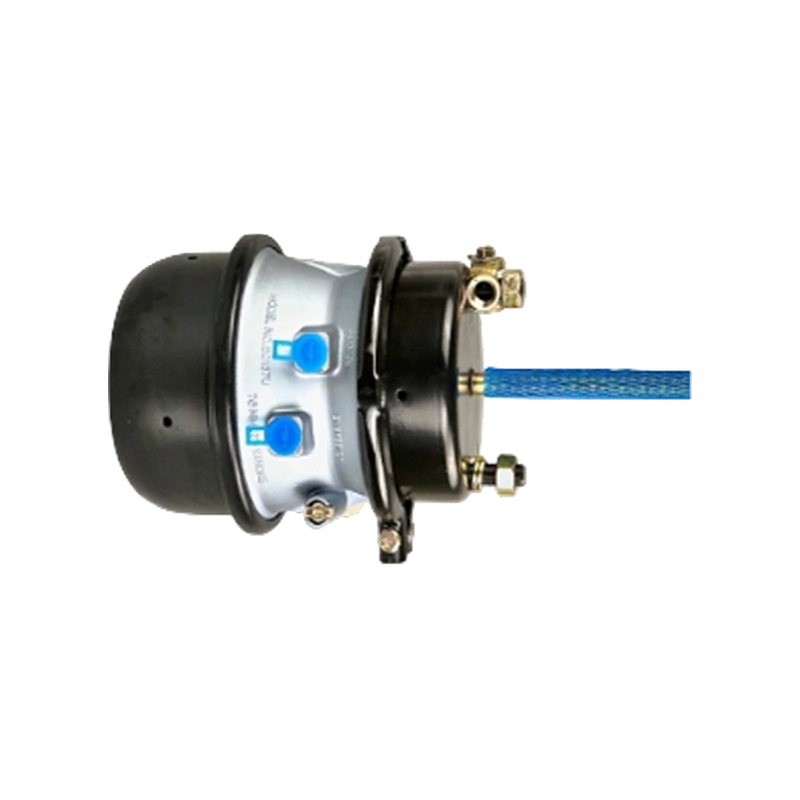
の ブレーキチャンバー は商用車ブレーキ システムの中核コンポーネントの 1 つであり、その動作原理は空気力学の基本原理に基づいています。
構造と構成:
の brake chamber is mainly composed of key components such as air chamber, piston, push rod, spring and sealing device. An air chamber is an enclosed space used to store and compress air. The piston is the movable part in the air chamber and is connected to the push rod. One end of the push rod is connected to the piston, while the other end is connected to the brake drum or disc.
初期状態:
車両が通常に走行しているとき、ブレーキチャンバーは初期状態にあります。このとき、空気室内の空気は常圧であり、ピストンとプッシュロッドは相対的に静止しており、スプリングも弛緩した状態にある。ブレーキ システムは作動信号を受信せず、車両は自由に走行しています。
ブレーキ信号がアクティブになった場合:
ドライバーがブレーキペダルを介してブレーキ力を加えると、ブレーキシステムのチャンバー内の圧力が増加します。この信号によりブレーキチャンバーが作動し、チャンバー内の空気の圧力が上昇します。チャンバー内の圧力が上昇すると、ピストンが押されて動き始めます。
ピストンの動き:
の movement of the piston is a key step in the work of the brake chamber. As the pressure inside the chamber increases, the piston pushes outward, pushing the push rod attached to it. The movement of the push rod is transmitted by the piston to the brake drum or disc, thereby generating braking force. During this process, the compressed air in the air chamber acts as a medium for transmitting braking force.
の braking effect produces:
の movement of the push rod transfers braking force to the brake drum or disc, causing friction. The brake drum is usually located inside the wheel, while the brake disc is attached to the wheel. Under the action of braking force, the brake drum or brake disc begins to be compressed by the brake lining, causing friction. This friction converts braking force into heat energy, causing the relative movement of the brake drum or disc and wheel to slow down, slowing the vehicle down.
ブレーキ解除:
ドライバーがブレーキペダルを放すと、シリンダー内の圧力が減少し、ピストンとプッシュロッドが元の位置に戻ります。これにより、ブレーキドラムまたはブレーキディスクとホイールの間の摩擦が減少し、ブレーキの効果がなくなります。車両は自由運転に戻り、ブレーキチャンバーは再びブレーキ信号に応答できる状態になります。
精度と信頼性を念頭に置いて設計されたブレーキ チャンバー トラックは、トラックのブレーキ システムに革命をもたらし、路上で比類のない安全性と制御を提供するように設計されています。
高度なテクノロジーと優れた職人技が特徴