公正
公正
公正
公正
公正
公正
公正
公正
公正
公正
公正
公正
公正
公正
公正
公正


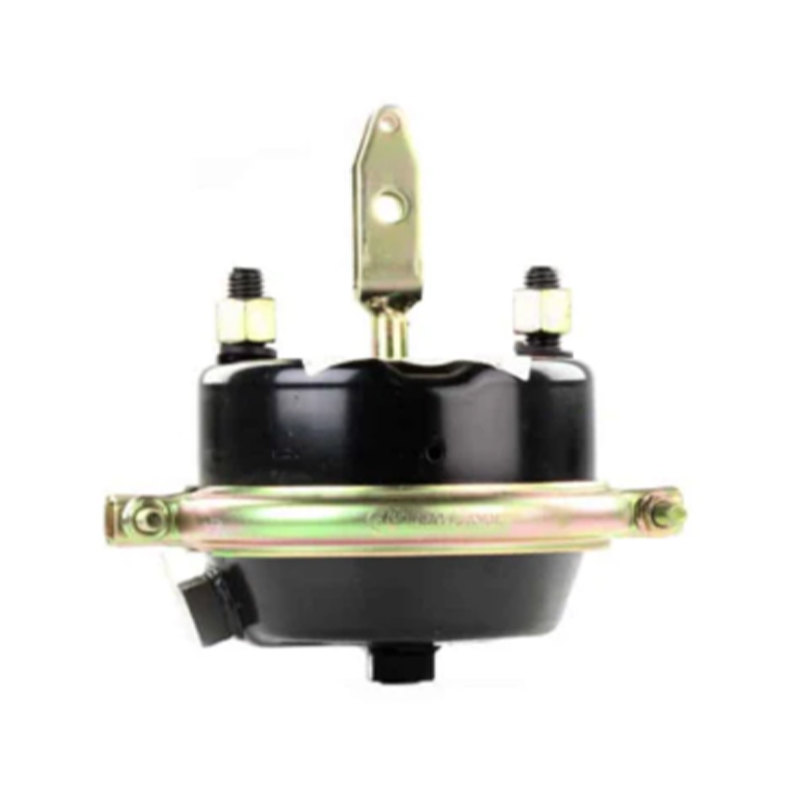
の ハンドブレーキバルブ は車両のブレーキ システムの中核となる制御コンポーネントであり、その動作パフォーマンスは車両の安全性と運転体験に直接影響します。ハンドブレーキバルブの機能的な信頼性を確保するには、適切な操作トルク設計が非常に重要です。プロフェッショナルな設計では、操作トルクはドライバーの快適性だけでなく、システムの耐久性、ブレーキの信頼性、運転の安全性にも影響します。
操作トルクの定義と機能
操作トルクとは、ハンドブレーキバルブのレバーまたはノブを操作するときにドライバーが加える力にレバーの長さを乗じたものを指します。適切なトルク設計により、ドライバーはさまざまな運転条件下で車両をスムーズにブレーキをかけたり解除したりすることができます。操作トルクが大きすぎると誤操作やブレーキ不足を引き起こす可能性があり、また、過大なトルクはドライバーの疲労を増大させたり、誤操作を引き起こしたりして安全上の問題を引き起こす可能性があります。
ドライバーの人間工学的考慮事項
の design of the handbrake valve operating torque must fully consider driver ergonomics. Excessive torque applied during prolonged or frequent operation can cause wrist and arm fatigue or even injury. Professional designs typically reference ergonomic standards to determine an appropriate operating torque range, ensuring safe and easy operation for drivers of varying heights and body types.
ブレーキシステムの圧力特性のマッチング
の operating torque of the handbrake valve is closely related to the internal pressure of the brake system. When operating the handbrake valve under high pressure in a hydraulic or pneumatic brake system, the valve core must overcome the system pressure to open or close smoothly. Therefore, during the design process, the appropriate valve core size, spring stiffness, and seal material must be selected based on the system's maximum operating pressure to ensure that the operating torque remains within a reasonable range while ensuring sufficient braking force and reliability.
バネ性と耐摩擦性を考慮した設計
の spring is a core component of the handbrake valve, and its stiffness directly affects the operating torque. During design, calculations and testing are required to determine the spring constant so that the operating torque prevents accidental valve retraction without placing excessive strain on the driver. Furthermore, internal friction within the valve body is a key factor; excessive or insufficient friction can affect the stability of the operating torque. Friction material selection, lubrication method, and surface treatment are important measures to ensure safe and reliable operating torque.
環境および温度への適応性
ハンドブレーキ バルブは、高温および低温、高湿度、粉塵の多い環境など、さまざまな気候でよく使用されます。動作トルクの設計では、シールとスプリングの性能に対する温度の影響を考慮する必要があります。低温環境ではシールが硬化し、摩擦が増加し、その結果操作トルクが増加する可能性があります。高温環境では、バネの緩みやシールの膨張が発生し、操作トルクが低下する場合があります。設計では、高温および低温に耐える材料を選択し、温度サイクル試験を通じて動作トルクの安定性を検証し、さまざまな環境における車両の動作の安全性を確保する必要があります。
長期耐久性と安全冗長性
ハンドブレーキバルブの作動トルク設計は、時間の経過による性能低下を考慮する必要があります。頻繁な操作と高圧により、スプリングの疲労、バルブコアの摩耗、またはシールの劣化が発生し、操作トルクの変化が生じる可能性があります。プロの設計では通常、コンポーネントが劣化した後でも動作トルクが安全な範囲内に留まるようにするための安全マージンが組み込まれています。ハンドブレーキバルブの作動トルクを安全に確保するためには、定期的な保守点検も重要な対策となります。
誤操作防止と緊急時の安全設計
ハンドブレーキバルブの作動トルクは誤操作を防止する役割も果たします。軽度の接触や偶発的な衝撃によるバルブの開閉を防ぐために、設計時に最小操作トルクを設定する必要があります。同時に、緊急時にはドライバーが素早くハンドブレーキを掛け、迅速な応答と安定した制御を両立できる必要があります。この冗長安全設計は、重量物を積んだ車両、長距離輸送車両、および特殊な条件下で動作する車両にとって特に重要です。